

Cart
0
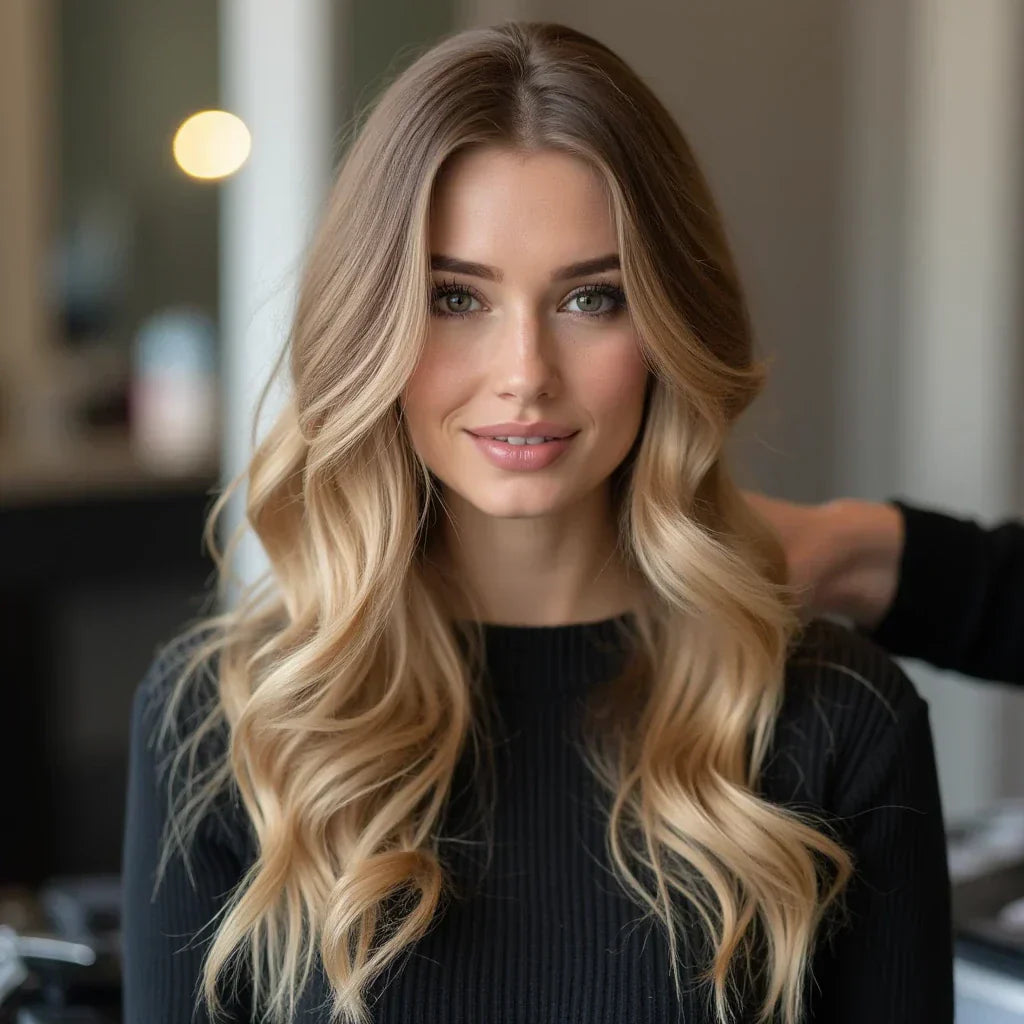
Choosing the right shampoo is the first step to having balanced hair and scalp. Shampoo is the product you use most often and the one that determines how your roots look: if it's wrong, your hair becomes greasy after a day, or dull and dry, and your scalp can become itchy or develop flakes. In this guide, we explain how to choose the right shampoo based on your hair type and needs, how to read the label, and which mistakes to avoid, with the advice we give our customers in-store every day.
In short
- Start with the scalp, not the ends: that's where shampoo really works.
- Oily hair: you need a purifying and lightweight shampoo. Dry hair: a moisturizing and gentle shampoo.
- If you have dandruff, itching, or hair loss, choose a targeted shampoo, not a generic one.
- With frequent washing, a gentle shampoo for frequent use is best.
- A very small amount is enough: more product does not mean a cleaner wash.
Why it's important to choose the right shampoo
Shampoo cleanses the scalp and the lengths, but it's not the same for everyone. A product that is too harsh for your hair removes too much sebum and the scalp can react by becoming oilier; one that is too rich weighs down fine hair and makes it get dirty faster. This is why your hair type and scalp condition matter more than the brand and the scent.
Before choosing, observe two things: how your roots look a day after washing and how the ends look. Oily roots and dry ends are the most common combination: in that case, the scalp's behavior matters, which is treated with shampoo, while the ends are cared for with conditioner and a mask.
How to choose the right shampoo based on your hair type
Shampoo for oily hair
If your hair becomes greasy after just one day, you need a shampoo for oily hair with a purifying and sebum-regulating action, that cleanses the scalp well without drying it out. Avoid very hot water and vigorous massages: they irritate the scalp and make the situation worse. In the shampoo for oily hair collection, you'll find products designed for this need.
Shampoo for dry and damaged hair
Dull, rough hair with split ends needs a moisturizing and gentle shampoo for dry hair, that cleanses without removing too much sebum. After washing, always apply conditioner or a mask to the lengths. In the dry and damaged hair collection, you'll find shampoos and treatments to start with the basics.
Shampoo for curly and wavy hair
Curls are naturally drier because sebum has difficulty traveling down the curve of the hair. You need a moisturizing shampoo for curly hair without a weighing-down effect, followed by conditioner and a styling product. You'll find everything in the curly hair collection.
Volumizing shampoo for fine hair
With fine hair, the risk is the "flat" effect: a lightweight volumizing shampoo deeply cleanses the roots and leaves no residue that weighs them down. Apply conditioner only from the lengths down. In the volumizing products collection, you'll find shampoos, mousses, and sprays to add body to the roots.
Shampoo for colored and blonde hair
A shampoo for colored hair must be gentle, because too frequent and harsh washing makes the color fade. On blonde, bleached, or highlighted hair, you can occasionally use an anti-yellow shampoo to neutralize yellow tones: it should not be used every wash, but once or twice a week. You'll find the dedicated products in the blonde hair collection.
How to choose the right shampoo based on your scalp's needs
Anti-dandruff shampoo
Dandruff appears as white or yellowish flakes on the shoulders and scalp, often accompanied by itching. An anti-dandruff shampoo should be used consistently, following the instructions on the packaging: leave it on for a few minutes before rinsing. If you want to compare formulas, go to the anti-dandruff products collection.
Shampoo for sensitive scalp and itching
If your scalp is sensitive, red, or itchy, choose a gentle shampoo with a fragrance-free formula, and rinse with lukewarm water. Dedicated treatments are also useful: in the scalp treatments collection, you'll find shampoos, lotions, and masks designed for the scalp.
Anti-hair loss shampoo
An anti-hair loss shampoo helps keep the scalp healthy, but it's not enough on its own: it works best as part of a consistent routine, with lotions or ampoules. In the anti-hair loss collection, you'll find shampoos, lotions, and ampoules.
Shampoo for frequent use
If you wash your hair every day or almost every day, you need a shampoo for frequent use: gentler, with a light cleansing action that does not dry out the scalp. You can occasionally alternate it with a targeted shampoo, such as a purifying one, to address a specific problem.
How to read the shampoo label
On the back of the bottle, you'll find the list of ingredients, known as the INCI, written in descending order of quantity. The first ingredients after water are almost always surfactants, which are the substances that cleanse and create lather. These are what determine whether the shampoo is gentler or harsher.
- Gentler surfactants: these are typical of shampoos for sensitive scalps and frequent use.
- Sulfate-free shampoos: they lather less, but cleanse more gently; they are a good choice for dry, curly, or colored hair.
- Functional ingredients: the active ingredients, which serve a specific need (purifying, moisturizing, combating dandruff, adding volume).
- Fragrance: it matters for the pleasure of use, but it is not a selection criterion.
More than a single ingredient, the choice depends on how the formula is balanced. This is why we recommend professional shampoos, formulated for specific hair types and needs: you'll find them in the professional shampoos collection.
How to wash your hair the right way
Even the best shampoo will yield poor results if used incorrectly. Wet your hair thoroughly with lukewarm water, then pour a small amount of shampoo into the palm of your hand, emulsify it with a little water, and distribute it over the scalp. Massage with your fingertips, not your nails, for a few minutes. The lengths are cleansed by the lather that runs down during rinsing: there is no need to rub them. A very small amount is enough, especially because a professional product is highly effective.
Rinse thoroughly: residue is one of the most common causes of irritated scalp and dull hair. If your hair is very dirty or full of styling products, you can do it in two steps: the first removes the dirt, the second truly cleanses the scalp. After shampooing, apply conditioner or a mask to the lengths, avoiding the roots.
Mistakes to avoid when choosing a shampoo
- Choosing only based on fragrance: fragrance says nothing about the formula.
- Using the same shampoo forever: needs change with the seasons, color, styling, and heat; it's worth reviewing your choice every now and then.
- Using too much product: excess does not cleanse better, it weighs hair down and makes rinsing difficult.
- Washing with water that is too hot: it dries out and irritates the scalp.
- Applying shampoo to the ends: the lengths are cleansed by the lather and need conditioner.
- Skipping conditioner and mask: shampoo cleanses, but hair also needs to be nourished. You'll find the products in the conditioner and conditioner and hair masks collections.
Frequently Asked Questions
How often should you wash your hair?
It depends on your hair type and sebum production. Those with oily hair wash it often, even every day, with a gentle shampoo; those with dry or curly hair can wait two or three days between washes. The important thing is not to wait until the scalp becomes irritated.
Is a sulfate-free shampoo better?
It's not mandatory, but it's a good choice for dry, curly, colored hair, and sensitive scalps. They lather less, but cleanse more gently.
How much shampoo should you use?
Very little. A small amount emulsified with water is enough for the whole head; if your hair is long, increase the dose slightly, without overdoing it.
Can I alternate between two shampoos?
Yes, and it's a good habit. You can use a gentle shampoo every day and, once or twice a week, a targeted shampoo, such as a purifying or anti-dandruff one.
Does professional shampoo really make a difference?
Professional shampoos are formulated for specific needs and are more effective: you need less for each wash. This is why they usually last longer than the price might suggest.
Conclusion
The right shampoo is the one that solves your main problem: oily, dry, sensitive scalp, dandruff, or hair loss. Start with the scalp, choose a suitable formula, and use a very small amount of product. If you have doubts about which one to choose, write to us: we'll help you find the shampoo best suited to your needs.


